
How Can Hormones Affect Your Fascia and Muscle Pain?
Understanding Fascia
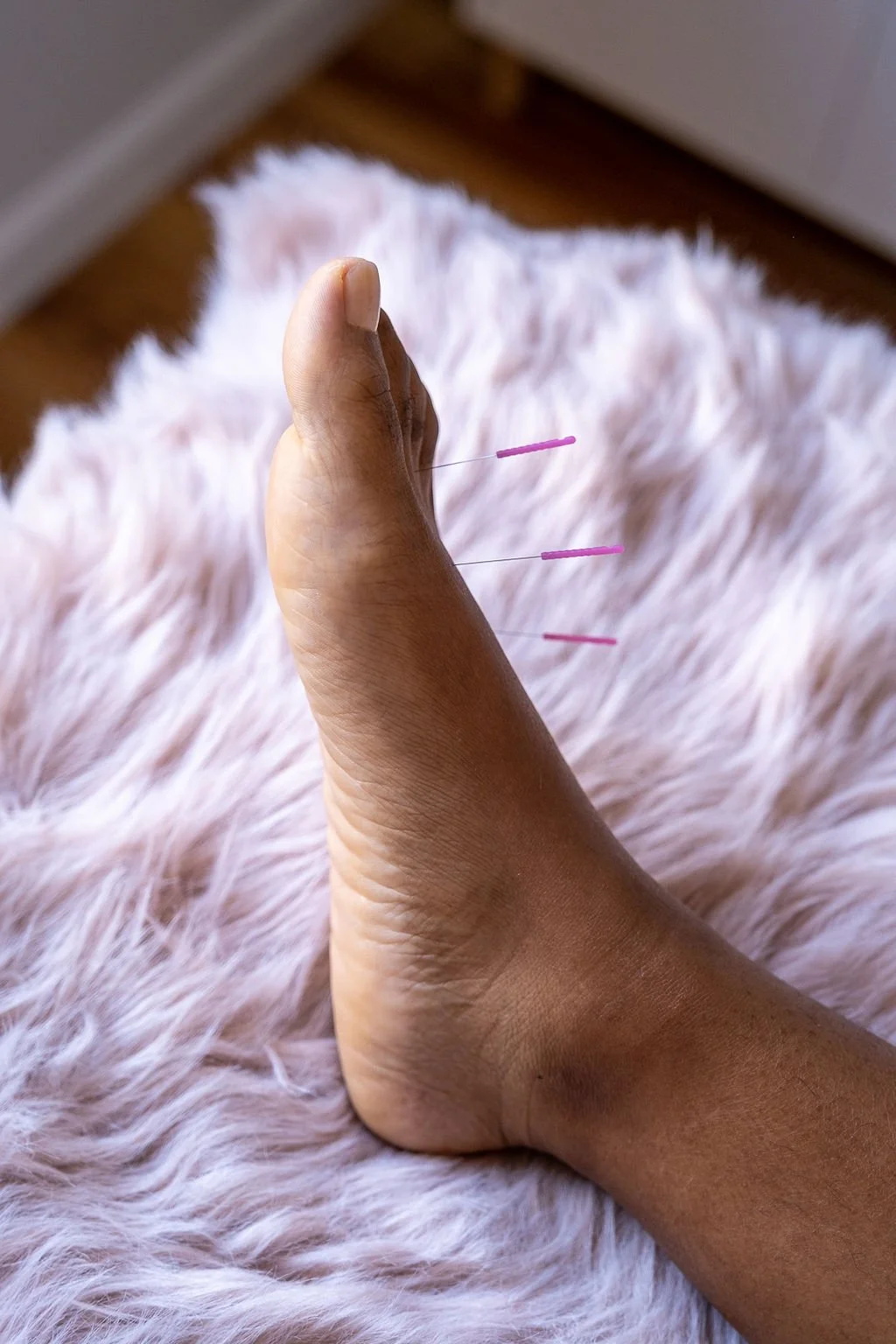
Fascia is a type of connective tissue just like blood, cartilage and bone. It is unique in that it integrates the functions of the nervous, immune and cardiovascular systems. It can also transmit mechanical, chemical and electrical information. It is underneath the skin and attaches, encloses and separates muscles and organs. Fascia creates a network in itself of interacting and interdependant tissues that form complex system that works together to perform movement. (Barsotti et. al 2020)
Fascia is dynamic and its integrity is extremely responsive to changes in hormones.
Estrogen
Estrogen helps to maintain elasticity and hydration in the body but increasing hyaluronic acid and collagen production. This contributes to keeping fascia flexible, pliable and gives it the ability slide and glide between muscles, tendons and joints. Lower estrogen states like perimenopause and menopause can cause dryness, stiffness, adhesions and can create more vulnerability to pain and injury.
Progesterone
Progesterone relaxes smooth muscles from tension and helps modulate pain due to its anti-inflammatory effects. Lower levels of progesterone can be linked to painful menses but also increased fascia tightness and heightened perception of pain.
Testosterone
Testosterone is responsible for collagen synthesis and the structural strength of fascia. Chronic stress and natural aging can lower testosterone causing weakness in connective tissues, poor fascia integrity and slower healing. It often contributes to lax ligaments and musculoskeletal pain.
Cortisol
Cortisol is elevated due to stress and can cause dryer, harder and weaker fascia. This causes the reduction of collagen, slower tissue repair. When cortisol is too low in cases of adrenal insufficiency, it can contribute to chronic fatigue and pain sensitivity.
Thyroid Hormones
Thyroid hormones (TSH, T4, T3) are responsible for regulating metabolism heart rate and pressure, body temperature and how your cells use energy. They play a role in everything from digestion and muscle strength to mood and reproduction. Thyroid hormones effect how hydrated your fascia is as well as how tissues regenerate and repair themselves. Low thyroid function can cause slow healing, swelling and stiffness, more muscle pain and knots. Hyperthyroid can cause hypermobility and tissue weakness.
Hyperthyroid states can lead to hypermobility and tissue fragility.
Insulin
When insulin is too high, it can cause stiffness while insulin resistance can cause inflammation which affects your healing process.
Acupuncture and Neuroendocrine Functions
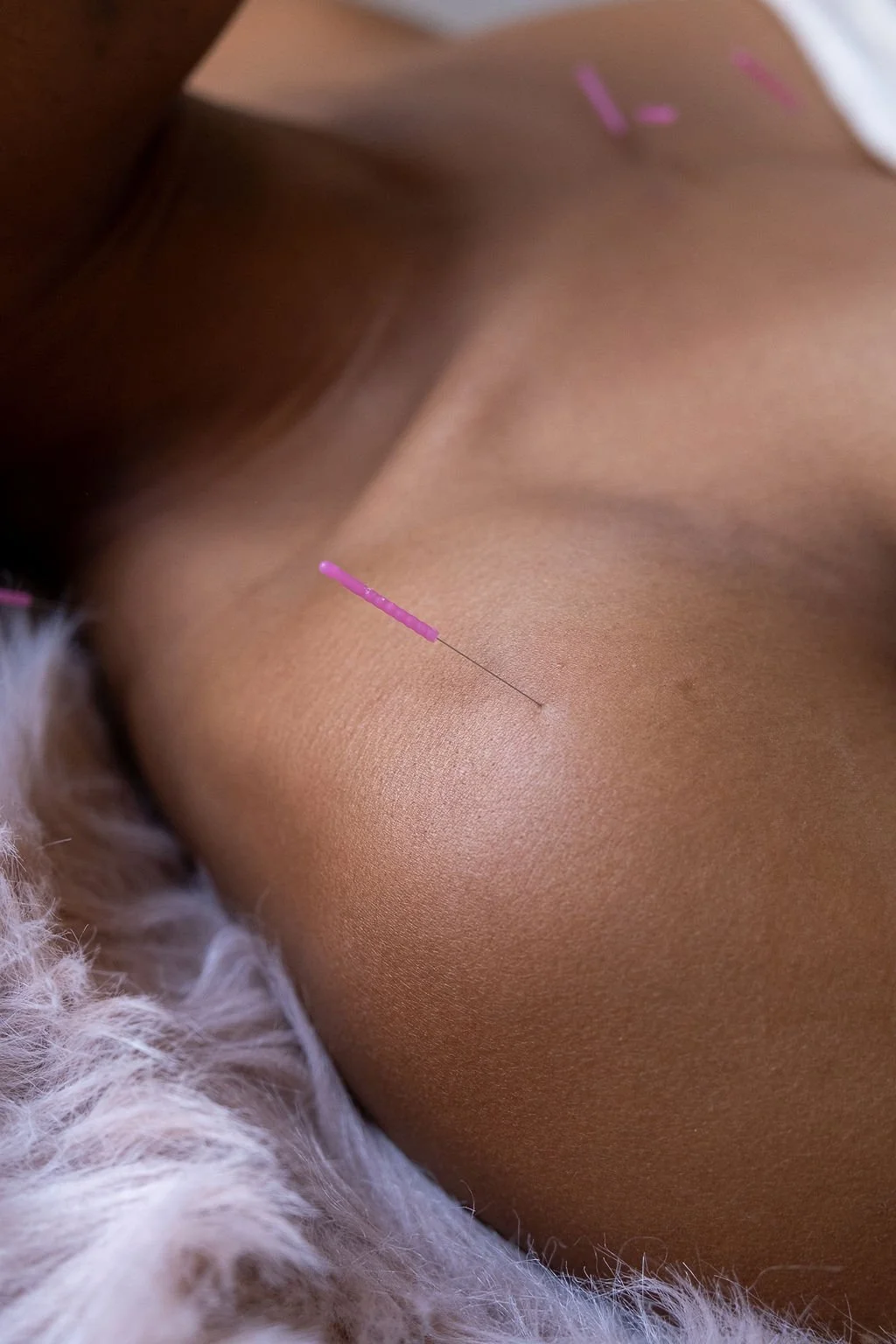
The neuroendocrine system manages communication between the nervous and endocrine systems by regulating processes in the body such as growth, metabolism, stress response and reproduction. Acupuncture and how it can effect the neuroendocrine system has been extensively studied. It is known to encourage the release of hormones, neurotransmitters and neuromodulators. Evidence suggests that acupuncture-induced neuroendocrine modulation affects many conditions such as: pain, medication withdrawal, menstrual conditions, perimenopause and menopause, anxiety and the effects of stress on the body.
In our natural aging process, we will inevitably see signs of less progesterone, testosterone and estrogen. Muscle aches and pains is one of the most common things people experience with perimenopause and in menopause. Changes in your weight, diet and the amount of stress and pressure you’re under can also shift your hormones. Acupuncture can be a safe option to help you during these times of change.
Written by Dr. Emily Siy, DACM 12/20/25, published on 1/5/26
Use the code ‘PREPARE’ for $20 off an already discounted acupuncture 3 pack
You might also be interested in reading: Menopause and Chinese Medicine, What Is Your Period Trying To Tell You, Knee Injury Case Series
Sources
Barsotti, N., Chiera, M., Lanaro, D., & Fioranelli, M. (2020). Impact of stress, immunity, and signals from endocrine and nervous system on fascia. Frontiers in Bioscience – Elite Edition, 13(1), 1–36.
Liang F, Chen R, Cooper EL. (2012) Neuroendocrine mechanisms of acupuncture. Evidence Based Complementary Alternative Medicine 2012;2012:792793. Epub Jul 10