
5 Things You Should Know About Acupuncture for Seasonal Allergies
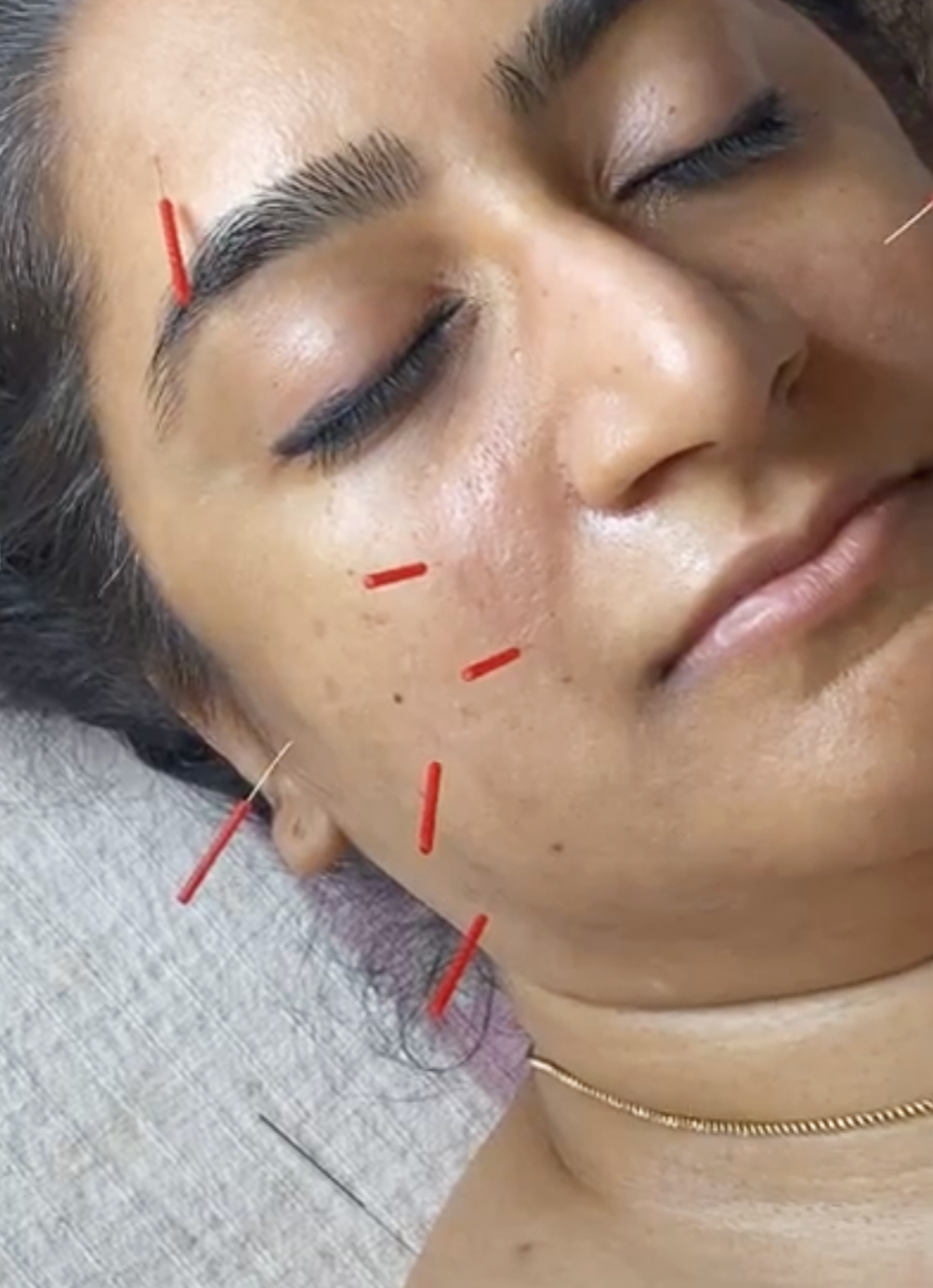
Seasonal allergies, also known as allergic rhinitis or hay fever, can cause frustrating symptoms like sneezing, congestion, sinus pressure, and itchy or watery eyes. While medications can help, many people want more natural options like acupuncture. Here are five important things to know:
1. Acupuncture May Help Reduce Allergy Symptoms
Research suggests acupuncture can improve common allergy symptoms by helping regulate the immune system and reducing inflammation in the upper airways. Studies have shown that acupuncture may influence inflammatory chemicals and immune responses involved in allergic reactions, which can help decrease symptom severity. (McDonald, et. al 2013)
2. It Is Considered a Safe and Evidence-Supported Option
Multiple clinical studies support acupuncture as a treatment for allergic rhinitis. A systematic review and meta-analysis found acupuncture to be a safe and effective treatment approach. Other randomized controlled trials have shown significant improvements in allergy symptoms after several weeks of consistent treatment. (Feng et. al 2015)
3. Acupuncture May Enhance Results When Used Alongside Medication
Research suggests acupuncture can complement conventional allergy treatments. In one large clinical trial, patients who received acupuncture along with medication experienced greater symptom relief compared to those using medication alone. Some patients also reported longer-lasting benefits after completing treatment. (Brinkhaus et. al 2013)

4. Treatment Usually Requires Multiple Sessions
Acupuncture is most effective when done consistently. Many patients benefit from treatments two to three times per week during allergy season, typically for at least 8–10 visits. Relief can often last several weeks after treatment ends, though results vary from person to person. Constant exposure to allergens can also be a factor.
5. Starting Treatment Early Can Improve Results
Beginning acupuncture before allergy symptoms start may help prepare the immune system and reduce symptom intensity during peak allergy season. Early and consistent treatment often leads to better outcomes.
For individuals looking to reduce medication reliance or add additional support during allergy season, acupuncture may be a safe and effective option worth considering.
Written by Dr. Emily Grace Siy, L.Ac., DACM on 2/4/26, published on 3/16/26
Use the code ‘PREPARE’ for $20 off an already discounted acupuncture 3 pack
You might also be interested in reading: Benefits of Ginger, Hot Flashes and Acupuncture, Acupressure for Anxiety
Sources
Brinkhaus, B., Ortiz, M., Witt, C. M., Roll, S., Linde, K., Pfab, F., Niggemann, B., & Willich, S. N. (2013). Acupuncture in patients with seasonal allergic rhinitis: A randomized trial. Annals of Internal Medicine, 158(4), 225–234.
Feng, S., Han, M., & Li, H. (2015). Acupuncture for the treatment of allergic rhinitis: A systematic review and meta-analysis. American Journal of Rhinology & Allergy, 29(1), 33–41.
McDonald, J. L., Cripps, A. W., Smith, P. K., Smith, C. A., Xue, C. C., & Golianu, B. (2013). The anti-inflammatory effects of acupuncture and their relevance to allergic rhinitis: A narrative review and proposed model. Evidence-Based Complementary and Alternative Medicine, 2013, 591796.