
5 Herbs for a Phlegmy Cough
All of the herbs discussed in this post are meant to be used in combination with other herbs. Coughs that come with phlegm can be complicated disorders in Chinese Medicine. Please be sure to speak to your medical doctor and acupuncturist about your condition. This post is for educational purposes only and not meant to be taken as medical advice. When considering taking herbs you should always be assessed by a knowledgeable herbalist.
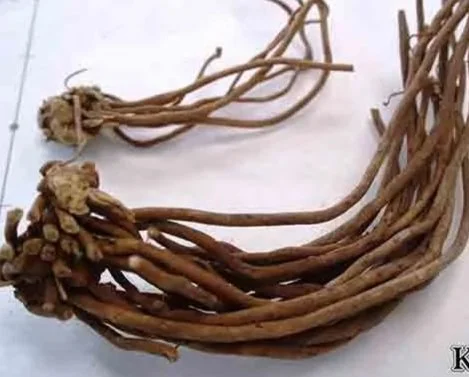
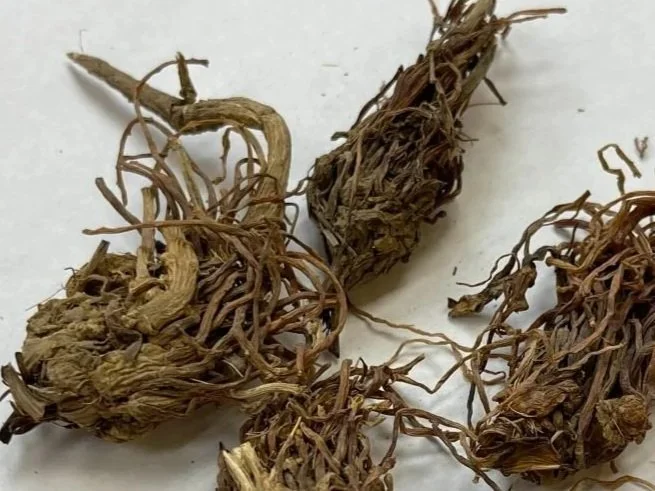
Bai Qian - Cynanchum Root and Rhizome - Used for blocked lung qi with coughing that comes with copious sputum that is difficult to expectorate and wheezing. Should be used with caution in yin deficiency, gastritis and ulcers.
Ban Xia - Pinellia Corn - Transforms cold phlegm in the lungs that comes with a lot of clear sputum, as well as cold phlegm affecting the spleen or digestive system. Helps to redirect rebellious qi in cases of nausea, vomiting or acid reflux. Prepared with ginger in order to reduce toxicity. Cannot be used when there are bleeding issues or cases of extreme heat or fire.
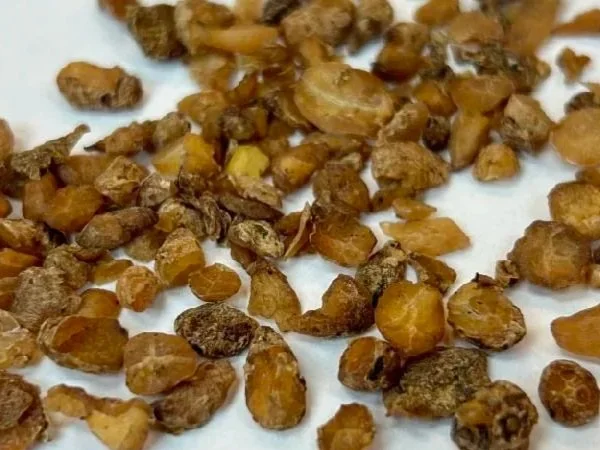
Chuan Bei Mu - Fritillaria Bulb - Use for chronic dry coughs with phlegm heat that can be difficult to expectorate. Sometimes these coughs have blood in the sputum due to dryness. This herb is used in formulas that work to break down nodules, obstructions and abscesses. Can be used topically for chapped skin.
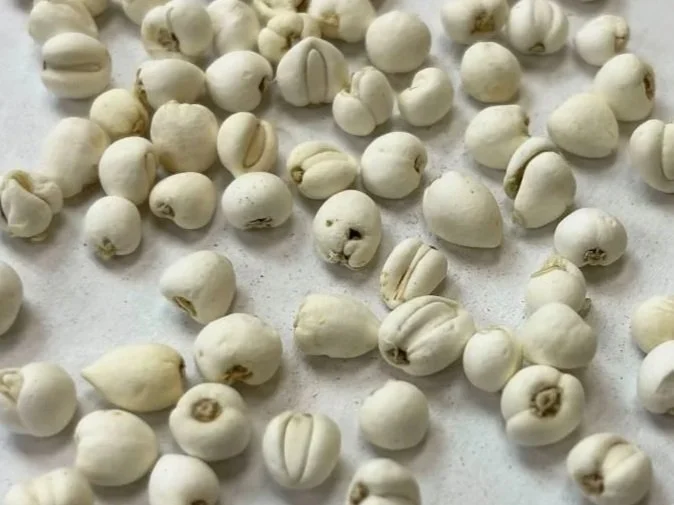
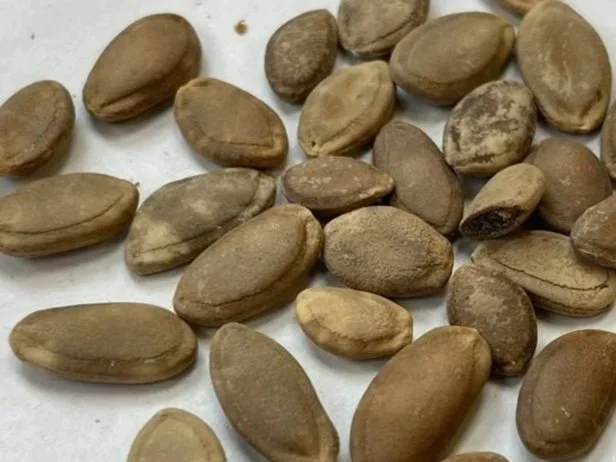
Gua Lou Ren - Snakegourd Seed - Used to treat phlegm heat that causes a phlegmy cough with phlegm that is difficult to expectorate. Clears phlegm heat and replenishes fluids. It helps to expand the chest for phlegm that is accumulated in the chest. Used to shrink swellings in the chest, lungs and intestines. Good for phlegmy coughs that also come with constipation, dryness, heat and irritability.
Zi Wan - Aster Root - Can be used for wind cold and wind heat types of cough with phlegm, as well as deficiency and chronic types of coughing accompanied by wheezing. Used in combination with other herbs for specific types of presentation. Should not be used in yin deficiency and heat cases.
Dietary adjustments when you’re struggling with phlegm: Avoid fatty foods, refined sugar, highly processed foods and dairy. Eat foods that are easy on your digestive system: congee, citrus, fruits and veggies high in vitamin C, lemon water, garlic, ginger. Stay hydrated!
Cupping and Acupuncture can help a lot when you are still dealing with a lingering and difficult to kick cough. Cupping can help open the lungs and chest area to expel and drain phlegm. Acupuncture can help transform and move phlegm out while also replenishing your qi from being sick. Please be sure to take a flu and covid home test and check for a fever before visiting your acupuncturist in person.
Recommended Products

You might also be interested in reading: 5 Herbs for Coughing, 5 More Herbs for Coughing, Benefits of Echinacea
Use the code ‘BLOG’ for $25 off on an initial acupuncture visit
Sources
American Dragon Website, Dr. Joel Penner
Kamwo Herbal Guide Website