
Echinacea, Eczema and Skin
Eczema, also known as dermatitis, is a term use for various skin irritations. The most common type of eczema is atopic dermatitis which is an allergic condition that makes the skin dry and itchy. It is commonly seen in children and babies. Eczema is considered a chronic condition that can sometimes be prevented by avoiding irritants, exposure to allergens and reducing stress. (John Hopkins Medicine) Though it is not contagious or dangerous it can cause red, swollen, and itchy skin which can cause distress or difficulty for those who suffer from it.
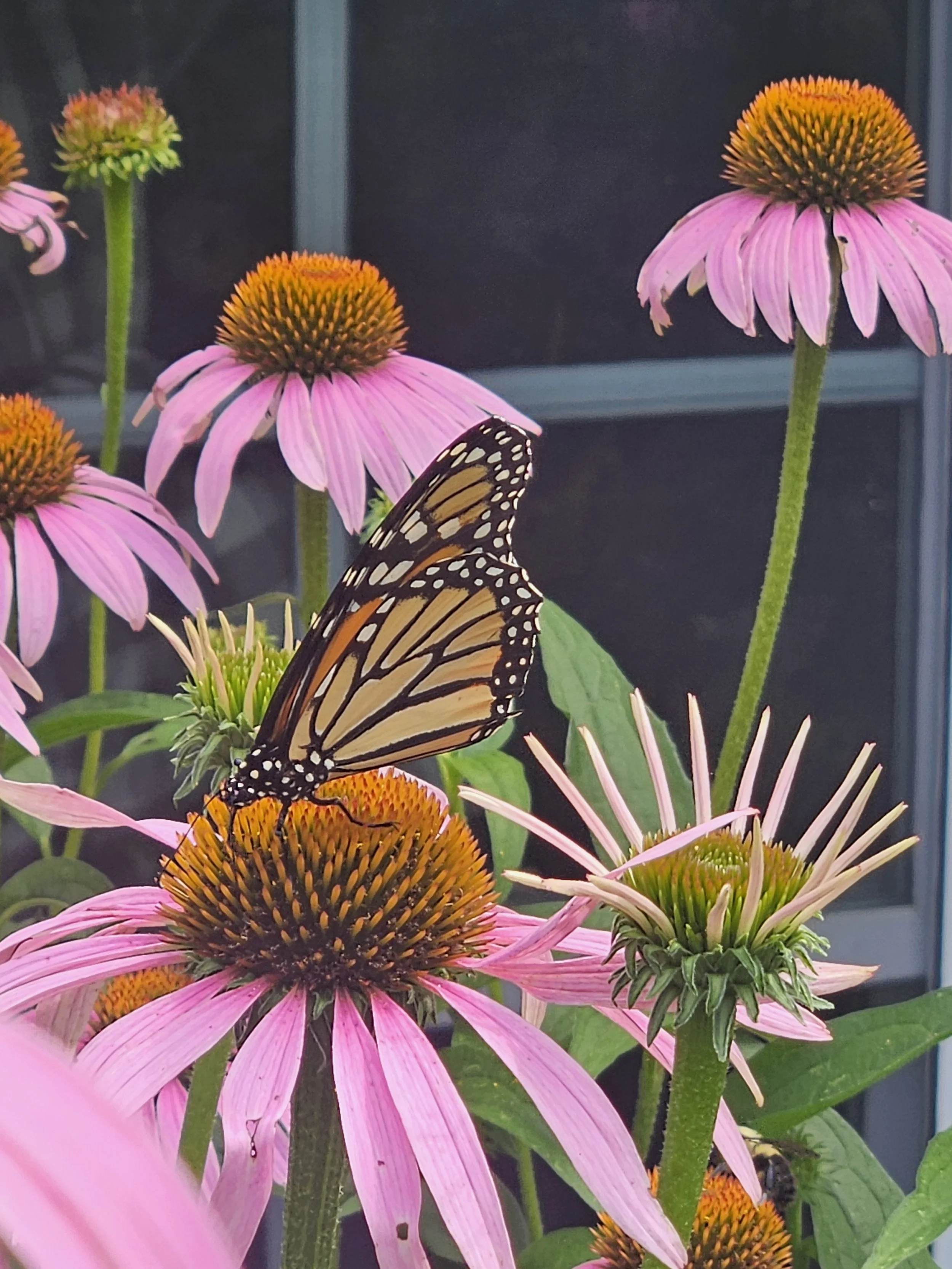
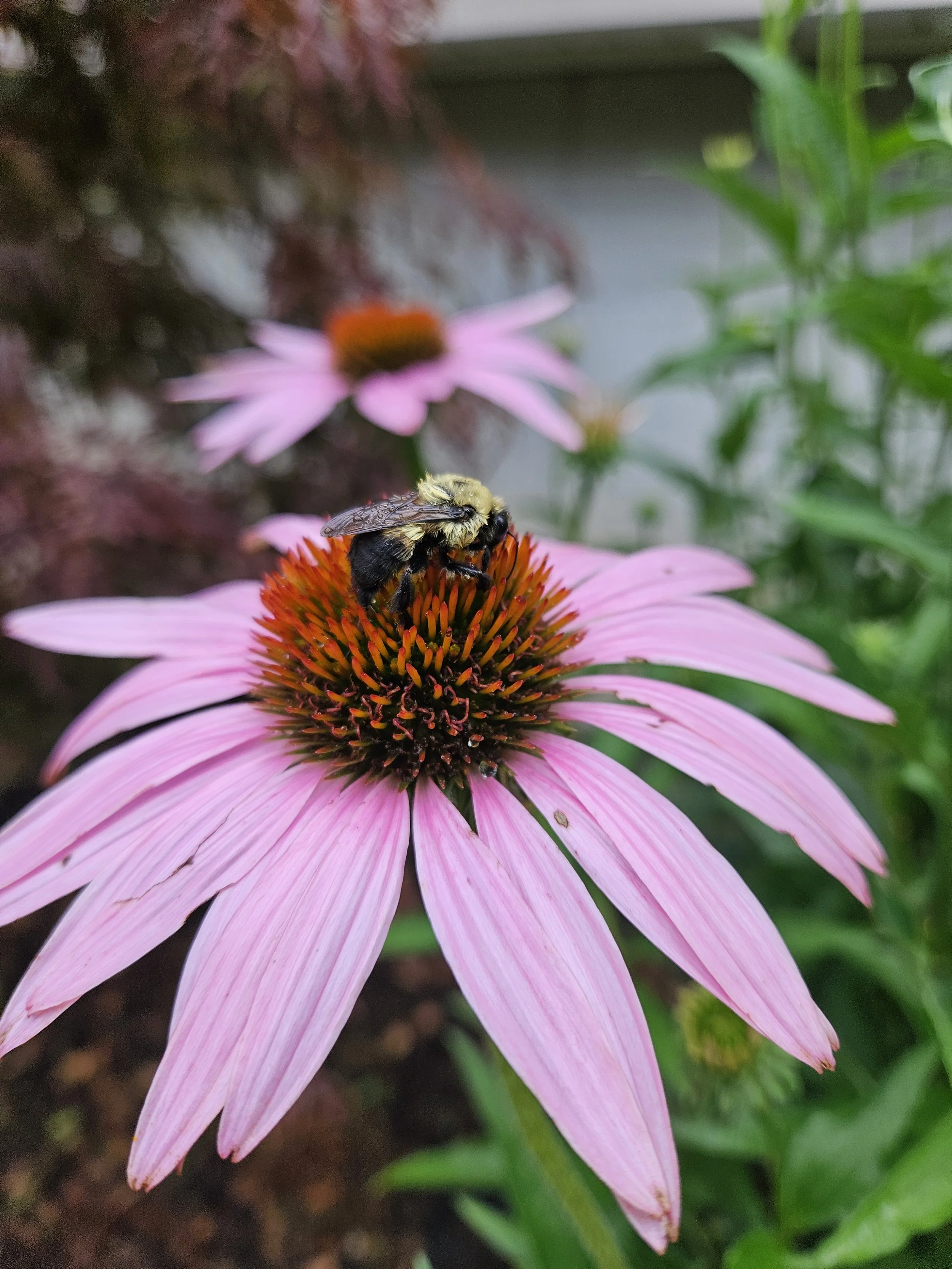
Echinacea purapura, also known as coneflower, is a plant native to North America. It is a popular herbal remedy to support the immune system and has shown benefits for the skin.
A 2017 study published in the Journal of Dermatological Science explored the effects of compounds called alkylamides derived from Echinacea. Researchers wanted to determine whether these compounds could help improve symptoms of atopic eczema while supporting the skin’s natural barrier function. ( Oláh et. al)
The study included both laboratory research and clinical trials involving people with atopic eczema. In laboratory testing, Echinacea-derived alkylamides significantly reduced the production of inflammatory markers known as IL-6 and IL-8, which are associated with skin inflammation.
The clinical portion of the study found that a topical cream containing the Echinacea extract was well tolerated and helped improve eczema symptoms. Participants experienced a reduction in disease severity scores compared to both their baseline measurements and a comparison treatment.
One of the most interesting findings was the cream’s effect on the skin barrier. People with eczema often have lower levels of skin lipids, including ceramides and cholesterol, which help keep moisture in and irritants out.
After using the Echinacea-based cream, participants showed increased levels of epidermal lipids, ceramides, and cholesterol. Researchers also observed improvements in the structure of the skin barrier, suggesting that the extract may help strengthen and repair compromised skin.
The researchers believe the benefits of Echinacea may be linked to the body's endocannabinoid system, a network involved in regulating inflammation, immune responses, and skin barrier function. Echinacea alkylamides appear to interact with cannabinoid receptors in the skin, which may help reduce inflammatory activity and promote healthier skin function.
This post is for educational purposes and should not be taken as medical advice. It’s important to discuss with your healthcare provider before taking something new, especially if you have a health condition or you are taking medications.
You might also be interested in reading: Benefits of Echinacea, Herbs for Coughing. Benefits of Calendula
Use the code ‘BLOG’ to receive $25 off an Initial Acupuncture visit
Written by Dr. Emily Siy, DACM, L.Ac. on 6/26/26 posted on 8/10/26
Sources:
Oláh, A., Szabó-Papp, J., Soeberdt, M., Knie, U., Dähnhardt-Pfeiffer, S., Abels, C., & Bíró, T. (2017). Echinacea purpurea-derived alkylamides exhibit potent anti-inflammatory effects and alleviate clinical symptoms of atopic eczema. Journal of Dermatological Science, 88(1), 67–77.
Johns Hopkins Aramco Healthcare. (n.d.). What is eczema? https://www.jhah.com/en/news-events/in-focus/what-is-eczema/