
POTS, Chronic Fatigue and Long Covid: What Does Mitochondria Have To Do With It?
POTS and Chronic Fatigue
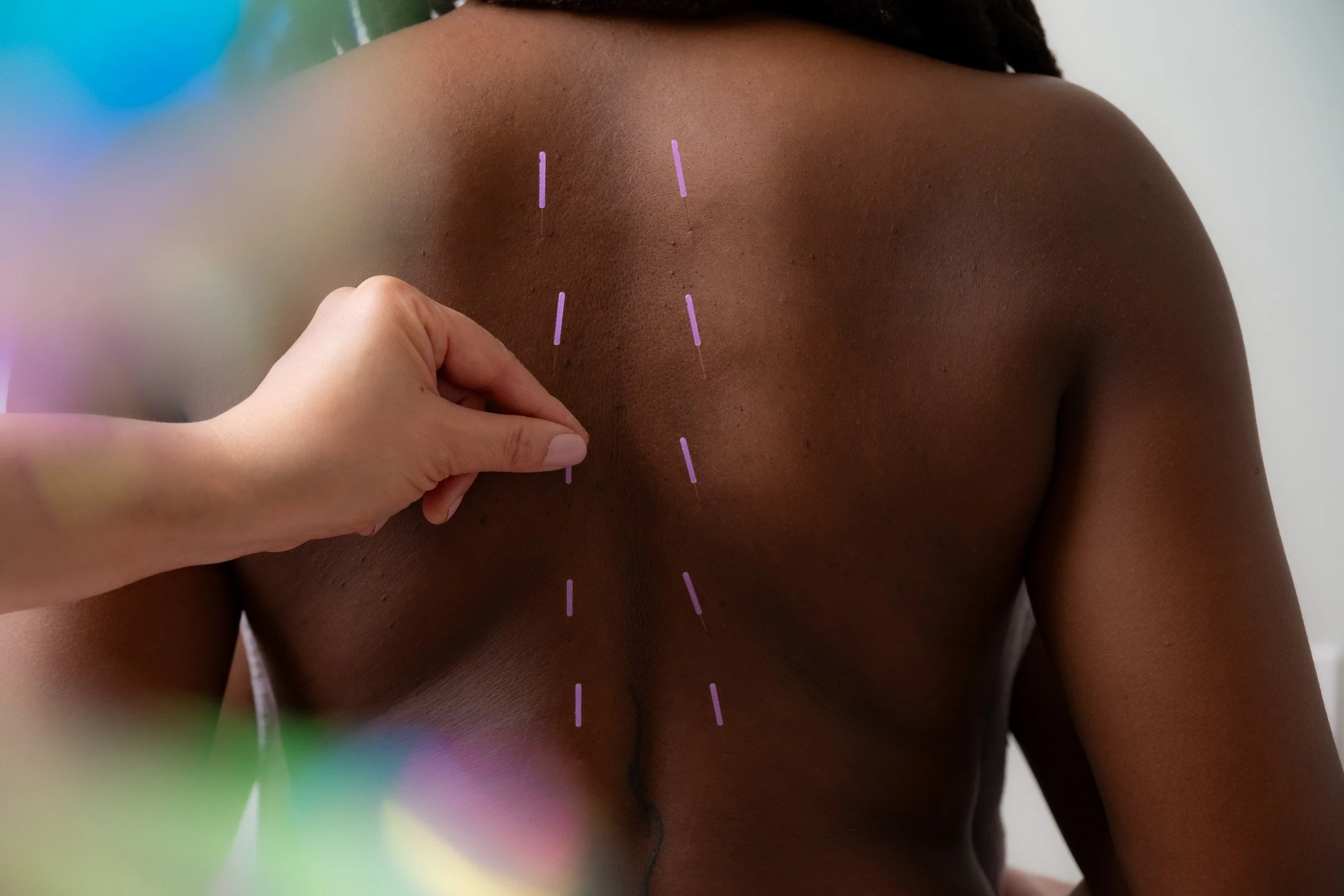
What is POTS? Postural Orthostatic Tachycardia Syndrome is diagnosed by measuring blood pressure and heart rate in a patient while they are laying down and then while standing. In a POTS patient the heart rate will rise at least 30 bpm while blood pressure is stable. (Harvard Health) This can cause lightheadedness and racing heartbeat. Those with POTS not only experience this everytime they get up from sitting or laying down, they also experience bouts of extreme fatigue or chronic fatigue syndrome (ME/CFS - myalgic encephalomyelitis)
For people living with chronic fatigue, symptoms extend far beyond simply feeling tired. They experience persistent exhaustion, brain fog, dizziness, poor exercise tolerance, muscle pain, and difficulty with sleep when they are already feeling tired and unrested. It is overwhelming to the nervous system and makes it difficult to function day-to-day without resources and support.
Mitochondria, the Immune System and Conditions like Chronic Fatigue
As many of us might remember from high school Biology, the mitochondria are the “powerhouses of the cell”. They are tiny structures in our cells that are responsible for producing ATP —energy. They are essential for powering the brain, muscles, immune system and every organ in the body.
Researchers (Wood et. al 2021) found evidence that people with Chronic Fatigue and other post-viral illnesses are likely to have impaired mitochondrial function. When mitochondria cannot efficiently produce energy, cells struggle to meet the body's demands, contributing to profound fatigue, muscle weakness, cognitive difficulties, and poor recovery after physical or mental activity.

Stress on the body creates a vicious cycle. Stress as in, anything strenuous. Oxidative stress occurs when free radicals outnumber the body’s antioxidant defenses, damaging cells and causing chronic inflammation which is experienced in those with POTS, chronic fatigue and other autoimmune conditions. As the mitochondria become damaged, they produce less energy, generate more oxidative stress and it creates a cycle of long lasting symptoms that seem to never end.
A second research review looks at findings that show that chronic fatigue conditions involve much more than energy production alone. (Blitshteyn et al. 2026) The researchers propose that ME/CFS, POTS, and Long COVID should be viewed as neuroimmune disorders, meaning they involve ongoing interactions between the immune system and the nervous system. Some of the biological changes highlighted are: persistent immune activation and inflammation, dysfunction of the autonomic nervous system (that regulate heart rate, blood pressure, digestion and temperature), inflammation affecting the brain and nervous system, autoimmune issues, reduction of blood flow to the brain and mitochondrial dysfunction causing impaired cellular energy production. These findings explain why people with POTS, Long Covid and chronic fatigue are experiencing what they experience. It is not that they are simply “not trying hard enough” or “out of shape”. Many people with these conditions might not be able to get out of bed on most days and on the days you do see them, they will spend several more in bed recovering afterwards.
Acupuncture and Chronic Fatigue

A 2022 review of fifty-one randomized control trials found that the use of acupuncture and moxibustion together resulted in improved outcomes for those with chronic fatigue syndrome. (Fang et. al). A 2019 review of sixteen studies also found that acupuncture was effective in treating chronic fatigue (Zhang et. al).
There have been several animal studies that looked at acupuncture and their effects on mitochondria in rats with ischemic injury. One study showed that acupuncture increased mitochondrial oxidative phosphorylation complex protein levels and brain tissue energy supply while also preventing oxidative stress. (Lou et. al 2024). Another study showed Acupuncture intervention relieved ischemic stroke progression in cerebral artery occlusion rats by promoting energy metabolism and mitochondrial biogenesis in the brain and alleviating neuronal cell destruction. (Guo et. al 2024)
Acupuncture has been well-known for its ability to reduce inflammation and inflammatory markers as well as reduce pain and increase circulation.
A Chinese Medicine Approach to Supporting Recovery
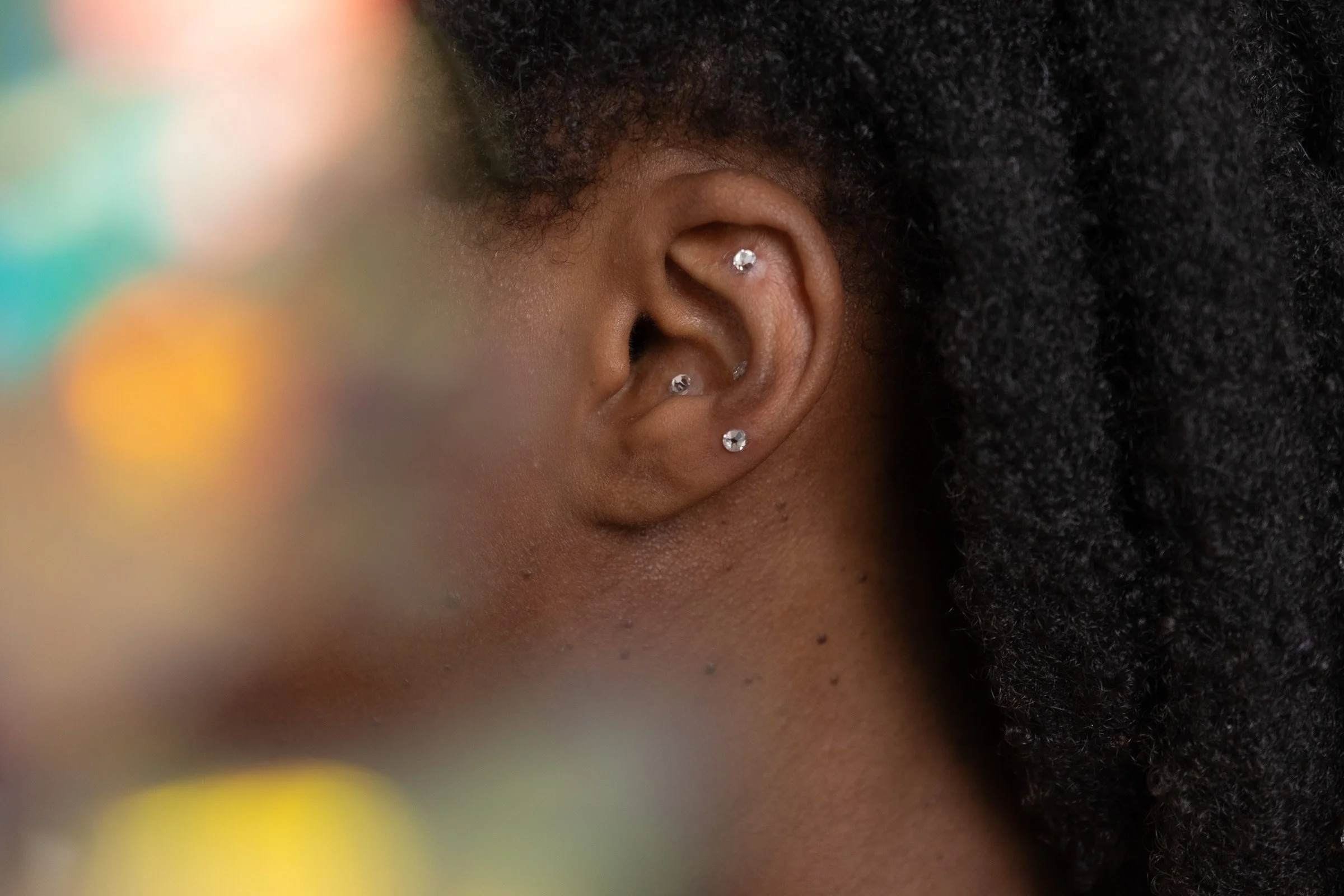
While there is currently no single treatment that reverses mitochondrial dysfunction, understanding the research and information cited in this post can help us understand how to create a more supportive and comprehensive approach to the care of those with conditions like POTS, chronic fatigue and/or Long covid.
Lifestyle strategies like radical rest, adequate sleep, balanced nutrition rich in antioxidants, stress reduction and appropriate physical activity can help support healthy cellular function. Radical rest, meaning a lot of time spent horizontal without doing anything else at the same time except maybe meditating.
I have seen Acupuncture play a supportive role in many cases of CFS, POTS, Long Covid. Acupuncture is known to be an extremely safe and only minimally invasive as a treatment. It is not only natural but a very gentle approach. It is known to regulate the autonomic nervous system which while also promoting healthy circulation, reducing inflammation, supporting healthy nervous system function and promoting better sleep.
In Chinese Medicine, conditions such as POTS, chronic fatigue and long Covid deplete a persons source or Yuan qi. Treating the source qi has been my primary focus in helping those recover. It is important to understand that rebuilding the mitochondria and yuan qi in these cases is slow and requires a lot of treatment. You should expect to have acupuncture two times a week for at least 2-4 weeks and then weekly for another 3-6 months to restore your energy and improve your daily function. I have witnessed several of my patients become more independent and able to better support themselves again. I have seen people who had previously struggled to make it to their acupuncture appointments, after several treatments, be able to show up more consistently. You should still expect to rest a lot and take caution of how much energy you are expending while continuing to be monitored by your regular medical team. Because many patients are already taking several medications I use the approach of acupuncture only as some herbal medicines can interact with their pharmaceutical medications.
For those who experience what was discussed in this post please use the code ‘CFSPOTS’ to receive 10% off on a purchase of an already discounted 5 pack (good until 1/31/28) or Use the code ‘BLOG’ to receive $25 off an Initial Acupuncture visit (there are absolutely no refunds/returns or transfers on these discounted packages). Please review all cancellation policies.
You might also be interested in reading: How Do Hormones Affect Fascia?, Acupuncture and Stress, POTS and Long Covid
Written by Dr. Emily Siy, DACM, L.Ac. on 7/6/26, posted on 8/17/26
Sources:
Blitshteyn, S., Doherty, T. A., & Steinman, L. (2025). Postural orthostatic tachycardia syndrome, myalgic encephalomyelitis/chronic fatigue syndrome, and long COVID as neuroimmune disorders. ImmunoTargets and Therapy, 14, 15–29
Guo, K., & Lu, Y. (2024). Acupuncture modulates the AMPK/PGC-1 signaling pathway to facilitate mitochondrial biogenesis and neural recovery in ischemic stroke rats.Frontiers in Molecular Neuroscience, 17, Article 1388759.
Lou, H., Yao, J., Zhang, Y., Wu, X., Sun, L., Wang, Y., Cong, D. (2024) Potential effect of acupuncture on mitochondrial biogenesis, energy metabolism and oxidation stress in MCAO rat via PGC-1α/NRF1/TFAM pathway Journal of Stroke and Cerebrovascular Diseases, Volume 33, Issue 11, November 2024, 107636
Wood, E., Hall, K. H., & Tate, W. (2021). Role of mitochondria, oxidative stress and the response to antioxidants in myalgic encephalomyelitis/chronic fatigue syndrome: A possible approach to SARS-CoV-2 "long-haulers". Chronic Diseases and Translational Medicine, 7(1), 14–26
Zhang, Q., Gong, J., Dong, H., Xu, S., Wang, W., & Huang, G. (2019). Acupuncture for chronic fatigue syndrome: A systematic review and meta-analysis. Acupuncture in Medicine, 37(4), 211–222