What is Chinese Medicine? Distinguishing Terms

The National Board Certification for Acupuncturists in the United States (of America) formally known as NCCAOM recently changed their name and acronym to NCBAHM —The National Certification Board for Acupuncture and Herbal Medicine. The profession of Acupuncture and Chinese Medicine has a long history of orientalization and using the word "oriental”. To many people this is clearly outdated and racist while others enjoy the benefits of being able to degrade certain people in the field. These details might not mean a lot to people who are not working professionals in the field but even as a patient the effects of everything trickle down to you.
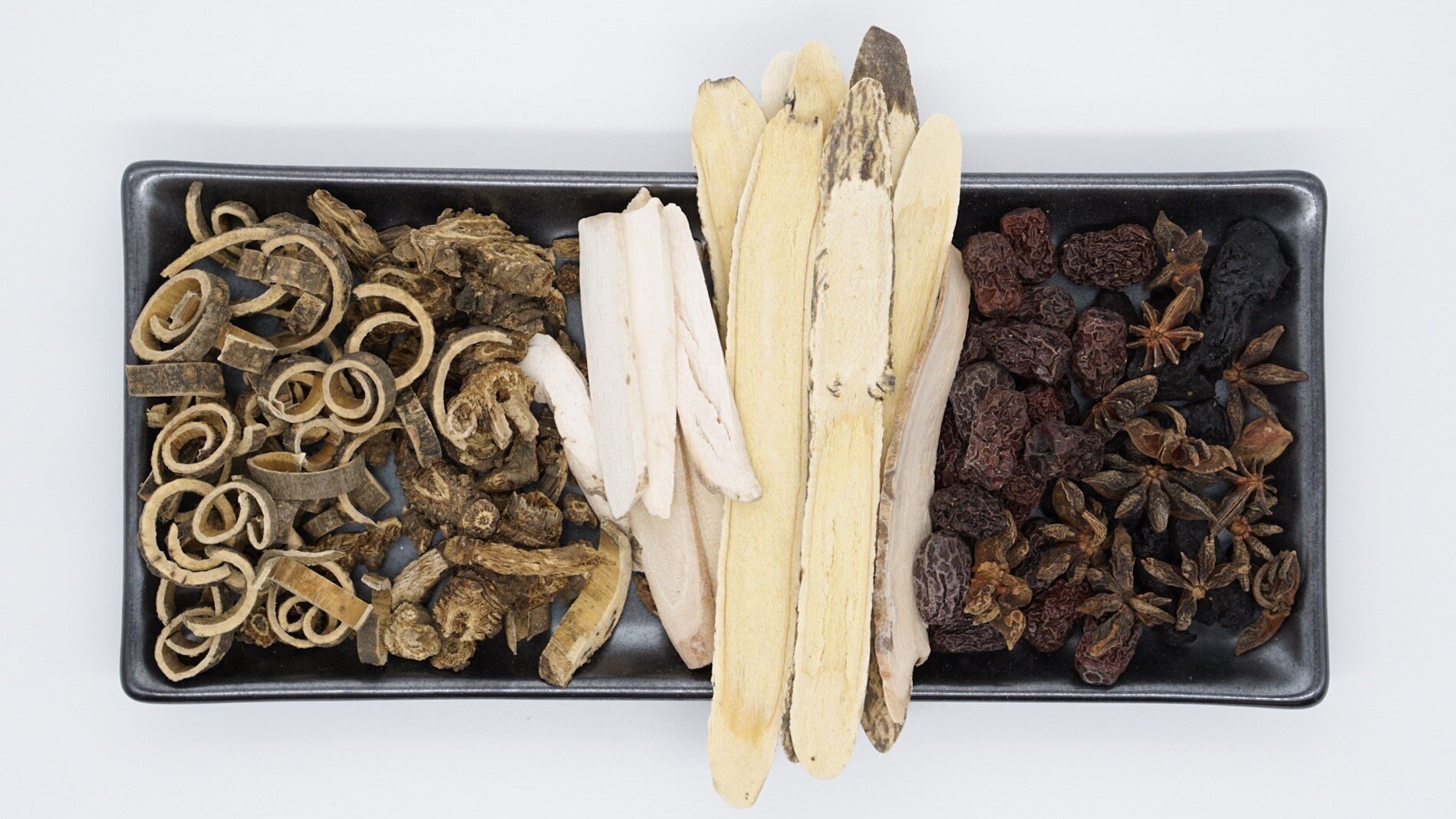
Many people I’ve met, even my students in acupuncture school are unclear about distinguishing terms in the field. The term Chinese Medicine is broad. Often used as an umbrella term to encompass any and all parts of Chinese Medicine. Chinese Medicine has four distinct branches: 1- Acupuncture, which is most popularly adopted in the US due to its safety and efficacy so much so that Western practitioners covet the rights to use it. 2- Chinese Herbal Medicine which also includes dietary and nutrition therapy. 3 - Tui Na or physical manipulation, but practiced as mostly massage in the US due to licensing and state regulations. 4 - Martial Arts - more popularly known as practices such as Qi Gong and Tai Chi. A Chinese Medicine practitioner who is versed in all four is few and far between here in the US. Mostly our field is pumping out Acupuncturists, and some herbalists. I meet a lot of people who think Chinese Medicine is only herbs or something more mystical entirely (the effects of orientalism). Many believe practices like face reading, astrology, different types of divination and feng shui are also forms of Chinese Medicine. They all certainly influence it!
You will often see the term TCM or Traditional Chinese Medicine. This was coined by the Chinese government in the 1950’s when it codefied the broader idea of Chinese Medicine. Americans sometimes forget how large and vastly populated the country of China is. It has varied cultures from its Northern, Southern, Western and Eastern regions. There are varying climates which yield varying crops and herbs, illnesses and tendencies. Just like the United States. You will meet people who speak different dialects, have different accents, different ways of dress, etc. As Americans we often see China as one thing, and we even look at Asia all too often as a monolith but intellectually many of us known there is so much variation. The difference in regions, history, cultures and climates yielded different lineages, practices and variety to what we can categorize under such a broad term as Chinese Medicine. The Chinese government decided to create a standardization of the medicine which gave us the TCM we have today. It was codefied in order to make it easier for people to learn the trade as well as more easily integrate it with Western Medicine. A truly integrated system of medicine exists today in China. Some Chinese Medicine or acupuncture students might use the term Classical Chinese Medicine which is also another broad umbrella term which encompasses many traditions and lineage type medicines in China. There are some misconceptions and misunderstandings here because Classical Chinese Medicine is an extremely broad term. It can encompass anything that is Chinese Medicine but does not full under TCM. Some students follow neo-classical Chinese Medicine practitioners and misunderstand this to be Classical Chinese Medicine, when it is more of a modern application of a classical ideas. There are many practitioners that follow lineage practitioner’s systems such as Master Tung or Dr. Tan which are some of the more well known in the field.
Another broader term often used is East Asian Medicine which acknowledges that though Chinese Medicine was codefied in modern times to TCM, there also exists iterations of the medicine in Korea, Japan and Vietnam. Some of which use TCM while also including components of their own classical lineage medicines which brings forth the broader term, Classical East Asian Medicine.
Though all these terms overlap in different ways we must understand that the differences between them and the context they are being used. In our fast paced society where everyone looks for answers via AI, the confusion of terms and understanding is and will be more commonplace. It is important for us in the community whether you are a practitioner or a receiver of the medicine to distinguish these ideas. Knowledge and critical thinking is the most important thing for us to retain in times where technology is being used to sometimes deliberately confuse us. With a medicine that is from a very different culture, you will often find people miseducate, misinterpret and/or feel the need to impose their own beliefs and stories onto it because casual orientalism is accpeted as normal in our society.
You might also like reading: Chinese Wellness Trends, Eradicating the O-word, Why Am I Crying After Acupuncture
Written by Dr. Emily Grace Siy, L.Ac., DACM on 4/9/26, published on 5/16/26
Use the code ‘BLOG’ to receive $25 off an Initial Acupuncture visit