
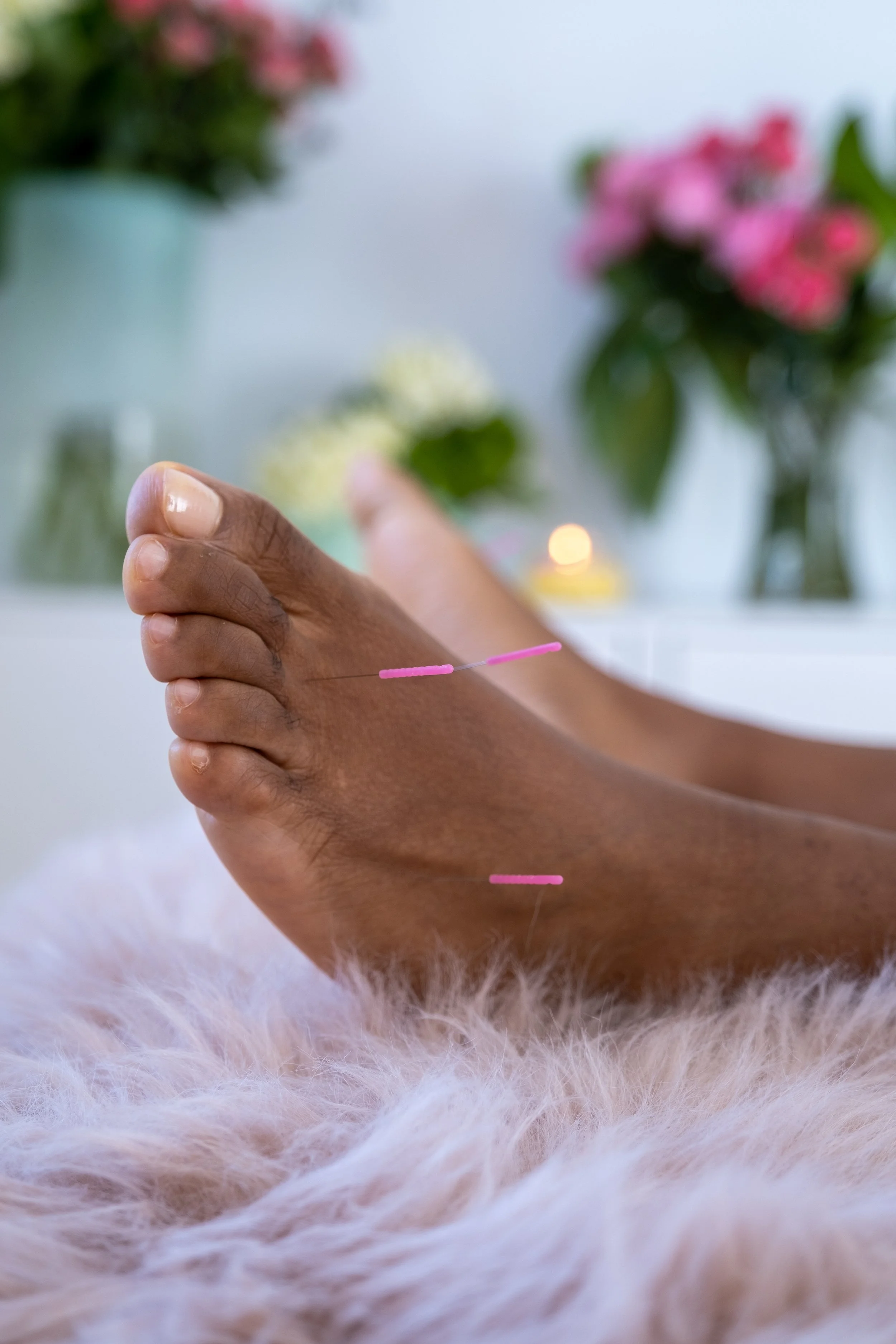
According to Johns Hopkins, “Plantar fasciitis is the inflammation of the plantar fascia, tissue in the foot used during walking and foot movement.” It can be caused by multiple factors including the type of shoes you wear, your foot structure, overuse and the surfaces you walk or play sports on. One of the main symptoms is heel pain.
As an acupuncturist who treats a lot of plantar fasciitis, I also see a lot of flare ups or new cases, come winter time. Here are some of the reasons why this occurs:
Cold causes contraction in the muscles making your calf muscles tighter. The calf muscles —soleus and gastrocnemius connect to the heel bone via the achilles tendon which shares the fascial line with the plantar fascia on the bottom of the foot. Colder temperatures also equals reduced blood flow to the tissues which causes them to be tighter.
When the weather is colder, we naturally stay in doors more and we turn to our more yin, and less active activities. Being less active and more sedentary also reduces circulation to the lower limbs making those areas potentially more prone to injuries when you are active.
Winter weather like ice, snow and slush requires different footwear and sometimes wearing boots can change your gait. Sometimes walking more carefully on snow and ice can also change your gait. The change in gait can sometimes put strain on certain muscles causing the plantar fascia to be tighter and more inflamed. The change in gate can cause you to heel strike when you might not otherwise do so causing a heel spur. Sometimes its after you’ve spent a winter in boots and you switch back to your regular shoes that your body has to re-adjust to your new gait or re-find the correct gait for your body.
5 Tips To Prevent a Winter Plantar Fasciitis Flare Up
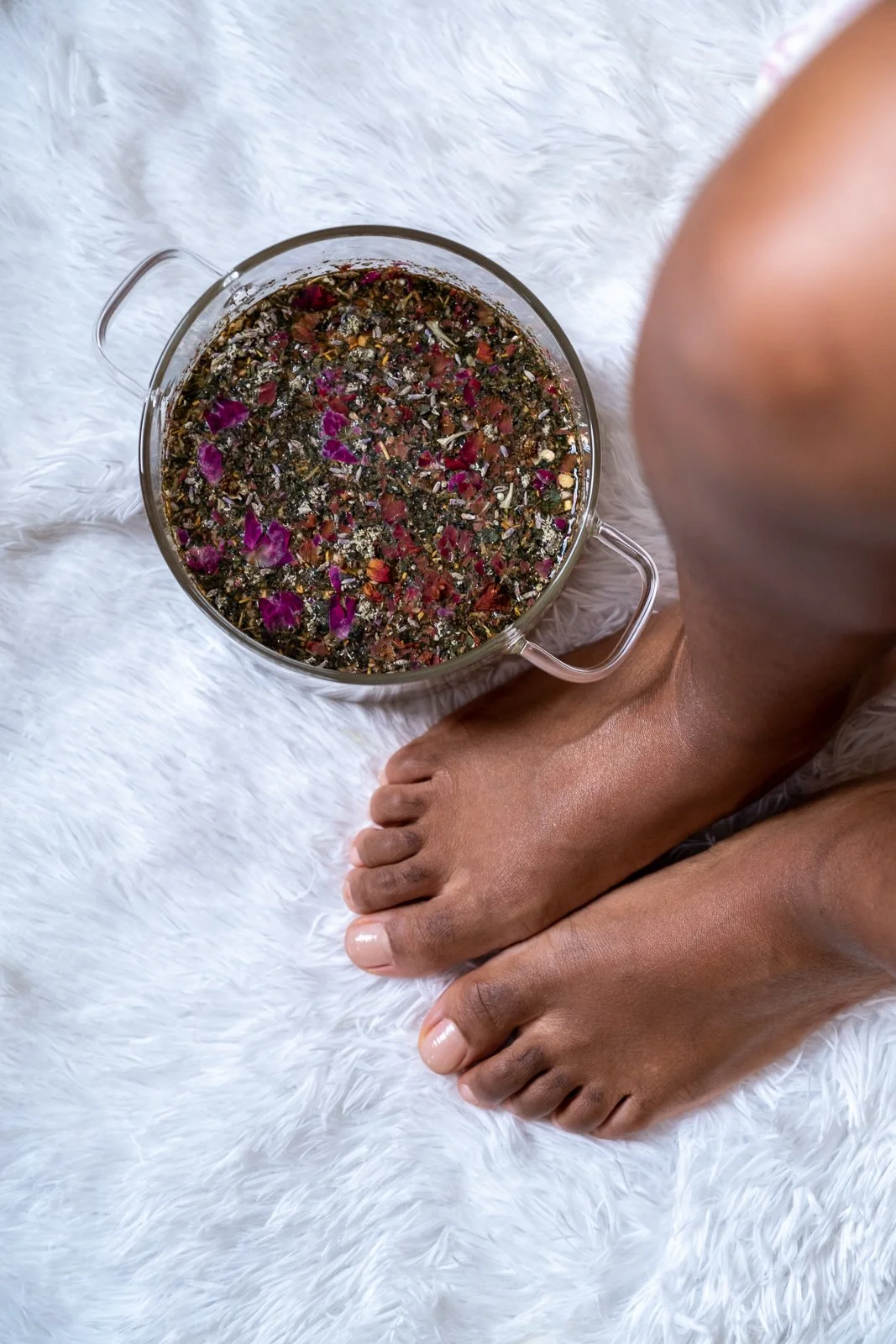
Keep your feet warm. Wear thick socks. Avoid being barefoot on cold floors, use house slippers, especially first thing in the morning and when you step out of your shower/bath. A heating pad or hot foot bath can also go a long way!
Supportive footwear. Find shoes that are comfortable for your feet and gait. If you’re a runner or you walk a lot, please be sure to update your shoes when they’ve been worn down. Sometimes using insoles in your boots can make a big difference. Be sure to pay attention if your gait changes when you walk in new shoes and/or in the snow.
Stretch. A little yoga goes a long way. A lot of yoga will take you further. Maybe you’ve given up running outdoors in the winter but you can always adopt more yoga classes to keep your lower legs and fascia healthy and supple. Yoga also allows you to engage different parts of your feet in standing poses which is extremely healthy for your plantar fascia and the general structure of your feet.
Elevate. Since your lower limbs are not as well circulated as the rest of your body, make a daily practice of elevating your legs. Spend 10 minutes daily with your legs up the wall. You can pair this with your daily meditation to save yourself some time. Or you can use this time to get into your audiobooks and podcasts.
Get some acupuncture about it. This can be a good idea preventatively or at the first sign of any foot soreness or pain. There is a good amount of research that supports the treatment of plantar fasciitis with acupuncture, electro acupuncture and moxibustion.
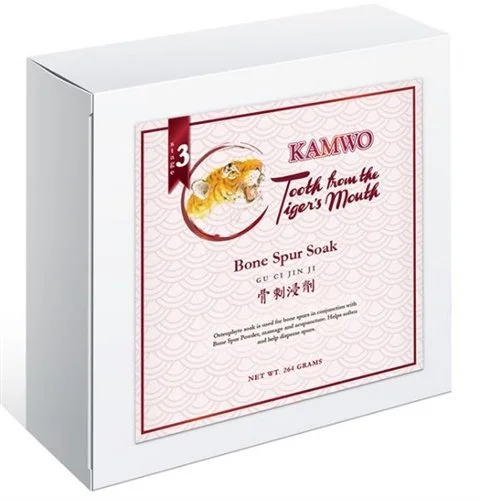
Recommended Products



Written by Dr. Emily Siy, DACM, L.Ac. on 9/5/26 posted on 11/2/26
Use the code ‘BLOG’ for $25 off on an initial acupuncture visit or ‘PREPARE’ for $20 off an already discounted acupuncture 3 pack
You might also be interested in reading: How Your Hormones Affect Your Fascia, Acupuncture for Frozen Shoulder, Acupuncture and Low Back Pain
Sources:
Johns Hopkins Website