
PCOS Renamed to Polyendocrine Metabolic Ovarian Syndrome
Do You Have PCOS? Well, now you have PMOS
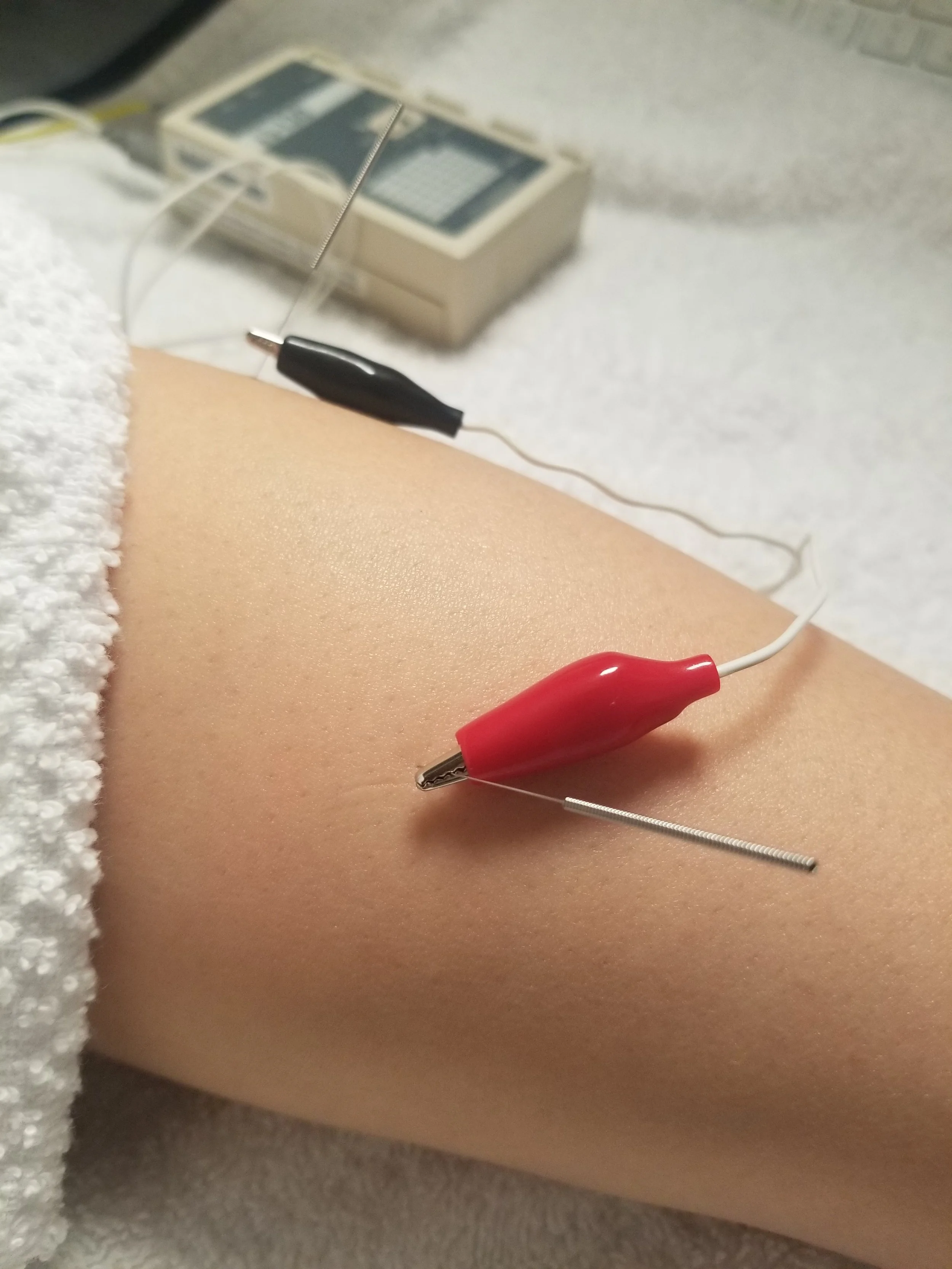
What was once called Polycystic Ovarian Syndrome (PCOS) has be renamed as Polyendocrine Metabolic Ovarian Syndrome (PMOS) —a more accurate and fitting description! PMOS affects one in eight women or 170 million women during their reproductive years.
What is Polyendocrine Metabolic Ovarian Syndrome?
PMOS is a hormone health imbalance that begins to show signs with menstruation. Common presentations of PMOS are infrequent and irregular periods. It is common for the period itself to last several days. It can also cause hirsutism or too much hair growth as a result of high androgens. PMOS is driven by the effects of androgens and how your body uses insulin which controls blood sugar.
With PMOS, sometimes cysts can grow on the ovaries. These cysts are fluid filled sacs that also contain immature eggs or follicles that are unable to release as they would in a regular menstrual cycle, causing the cycle to be irregular or having skipped periods.
The cause of PMOS is not known in Western Biomedicine but genetics and lifestyle are thought to play a role. Early diagnosis and monitoring of blood sugar and insulin, cysts and cycle irregularities could help prevent long term health issues.
Why Was the Condition Renamed?
The term polycystic ovarian syndrome has been considered inaccurate for a long time. It incorrectly suggests the presence of ovarian cysts which are not always found in those with of the condition. PCOS or now, PMOS is a complex, multisystem disorder with endocrine, metabolic, reproductive, psychological, and dermatological manifestations. The term “polycystic ovarian syndrome” focuses too much on the presence of cysts and fails to recognize the full spectrum of the condition. The term can confuse both patients and healthcare professionals which can cause frustration for patients who experience delayed or denial of care all together. The reproductive emphasis of the term also reinforces stigma, particularly in sociocultural settings where fertility is highly valued. Many individuals affected by the condition report distress and negative emotional associations linked to the name itself.
Use of the term PCOS created challenges for epidemiological classification, research consistency, and health system coding. Adoption of a more accurate and inclusive name, PMOS, is expected to create more clarity, improve research, strengthen policies and support long-term care for those with the condition.
Acupuncture for PMOS/PCOS
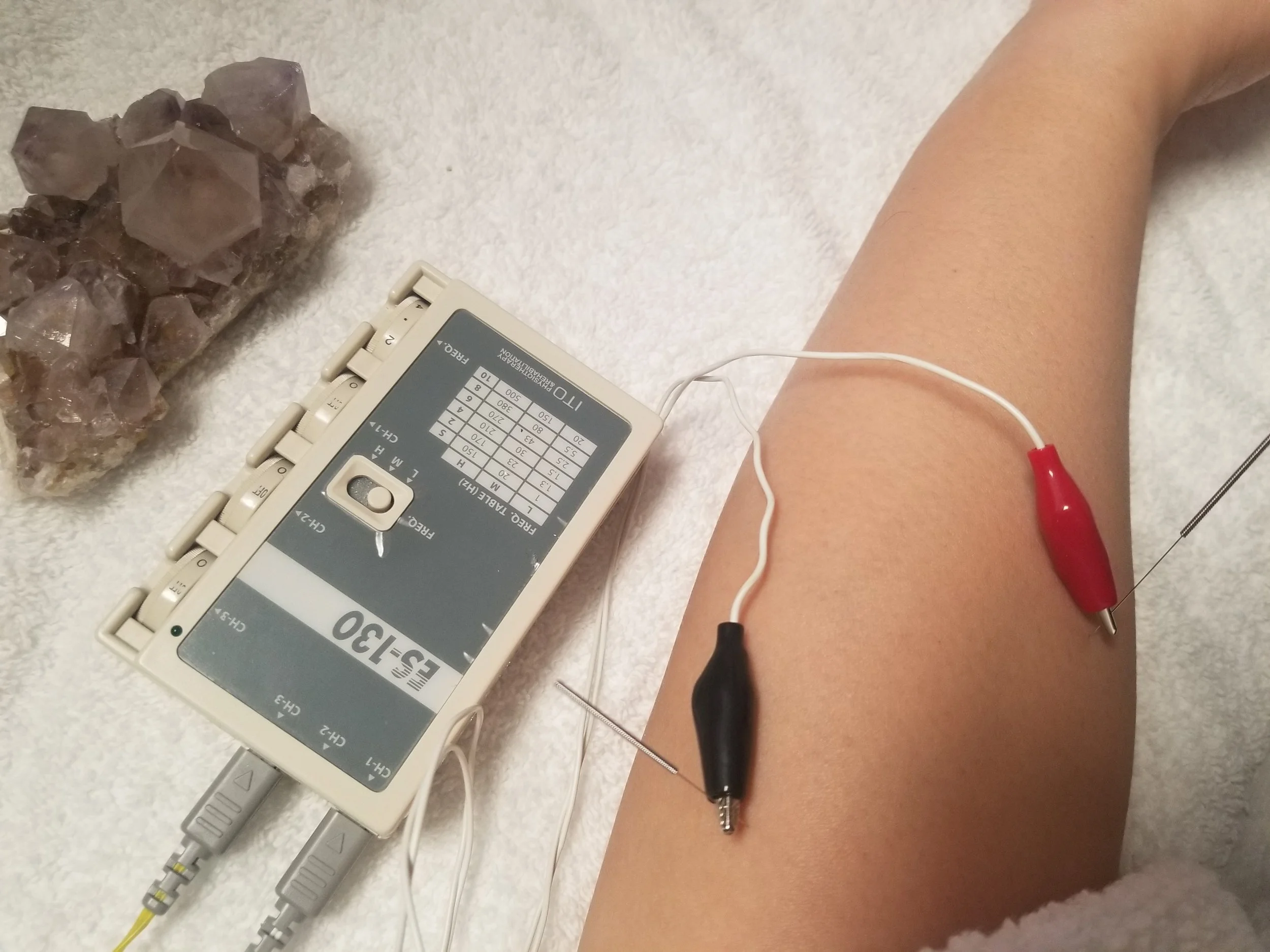
Chinese Medicine has a long history of treating menstrual irregularities. Because Chinese Medicine diagnosis is based on patterns of symptoms and patient presentation, the name of the condition does not change the treatment. This is the advantage to a holistic view on many reproductive health conditions like PMOS.
A 2019 animal study reported that the use of electroacupuncture on rats with PCOS resulting in the improvement of hyperandrogenism and follicular arrest. (Shi et. al) Another study found that electroacupuncture had the ability to improve the body’s glucose uptake to lower insulin resistance. (2018 Kokosar et. al)
In 2021 a randomized control trial, (Dong et. al) showed that electroacupuncture is beneficial for those with PCOS because it can improve glucose and lipid metabolism. A 2022 double-blind randomized clinical trial (Muharam et. al) showed that the combination of electroacupuncture and medication improved insulin sensitivity in those with PCOS.
I have worked with many people who have PMOS and with the help of acupuncture many of them are able to reduce their unwanted symptoms, have regular menstrual cycles and lower their blood sugar. Some who were told conceiving would be more challenging have gone on to have children. If you’re seeking Chinese Medicine for your PMOS be prepared to have weekly acupuncture visits.
Written by Dr. Emily Siy on 6/1/25 posted on 6/15/25
Use the code ‘PREPARE’ for $20 off an already discounted acupuncture 3 pack that can be used for your first three visits. (*there are absolutely no refunds, returns or transfers on discounted purchases)
You might also be interested in reading: Chinese Medicine and PCOS, 5 Reasons Vaginal Steaming Might Be Good for You,Preparing for Pregnancy
Sources
Dong, Hx., Wang, Q., Wang, Z., Wu, Xk., Cheng, L., Zhou, Zm., Yang, L., Yi, P., Huang, Dm. (2021) Impact of Low Frequency Electro-acupuncture on Glucose and Lipid Metabolism in Unmarried PCOS Women: A Randomized Controlled Trial. Chinese Journal Integrative Medicine 27, 737–743
Kokosar, M., Benrick, A., Perfilyev, Nilsson, E., Kaillman, T., Ohlsson, C., Ling, C., Stener-Victorin, E. (2018) A Single Bout of Electroacupuncture Remodels Epigenetic and Transcriptional Changes in Adipose Tissue in Polycystic Ovary Syndrome. Scientific Reports 8, 1878
The Lancet. (2026). The polyendocrine metabolic ovarian syndrome, the new name for polycystic ovary syndrome: A multistep global consensus process. The Lancet. Advance online publication.
Mayo Clinic (n.d.) Polycystic ovary syndrome (PCOS) - Symptoms and causes. Mayo Clinic
Muharam, R., Srilestari, A., Mihardja, H., Juvanni Callestya, L., Kemal Harzif, A. (2022) Combination of electroacupuncture and pharmacological treatment improves insulin resistance in women with polycystic ovary syndrome: Double-blind randomized clinical trial. Int J Reprod Biomed. May 23;20(4):289-298.
Shi, Y., Li, L., Zhou, J., Sun, J., Chen, L., Zhao, J., Wu, L., Cui, Y., Wu, L., Wu, H., (2019) Efficacy of electroacupuncture in regulating the imbalance of AMH and FSH to improve follicle development and hyperandrogenism in PCOS rats Biomedicine & Pharmacotherapy Vol 113