
Perimenopause and Acupuncture: What To Expect
What is Perimenopause?
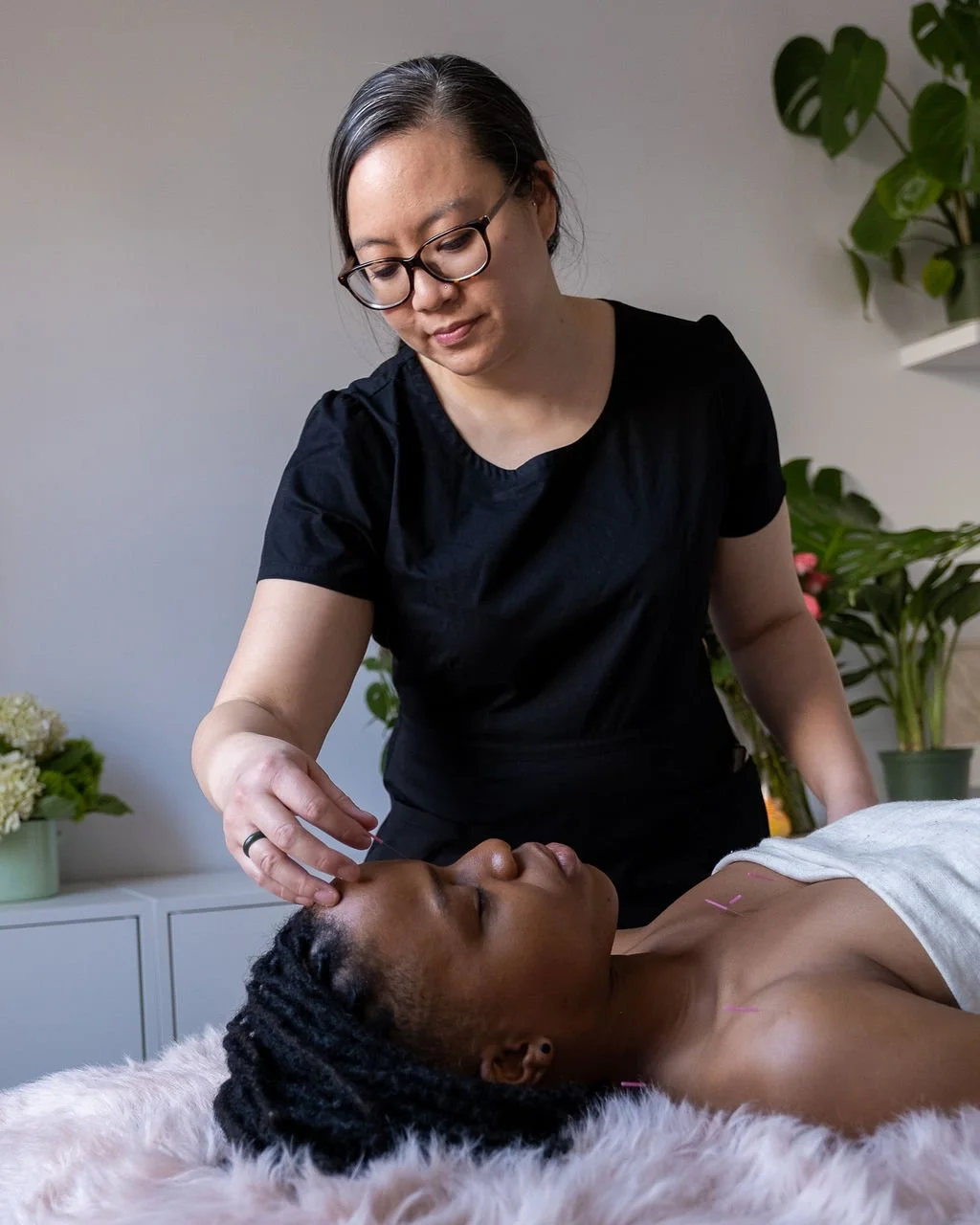
Perimenopause is a time of transition that occurs before and ends with menopause. It can begin in your mid-30’s-mid-50’s. Some people experience perimenopause for a short time, while others can be in this transitional period for ten or more years. During this time your body is moving towards the end of your reproductive phase. It is a natural and normal progression and part of aging. Menopause is reached when you have not had a menstrual cycle for 12 or more months. (Cleveland Clinic Online)
During perimenopause your ovaries begin producing less hormones which causes the cycle to become erratic and unpredictable. You might experience longer cycles, shorter cycles, heavier bleeding and more extreme PMS.
Stages of Perimenopause in TCM
EARLY STAGE: slow metabolism
Most people don’t notice this phase because there are none or only very minimal changes to the period or menstrual cycle itself. This is when you notice inability to digest as well as you did before. Putting on weight or not able to maintain your regular weight as easily. Feeling sluggish or very bloated after eating heavy or sugary meals. Getting upset stomach, constipation, acid reflux more easily. Sometimes there is an event like an illness or food poisoning incident that feels like it changed you or you never recovered from it. Sometimes you might notice your tolerance for alcohol is diminished or your ability to recover from drinking the night before.
MID STAGE: PMS and/or cycle changes
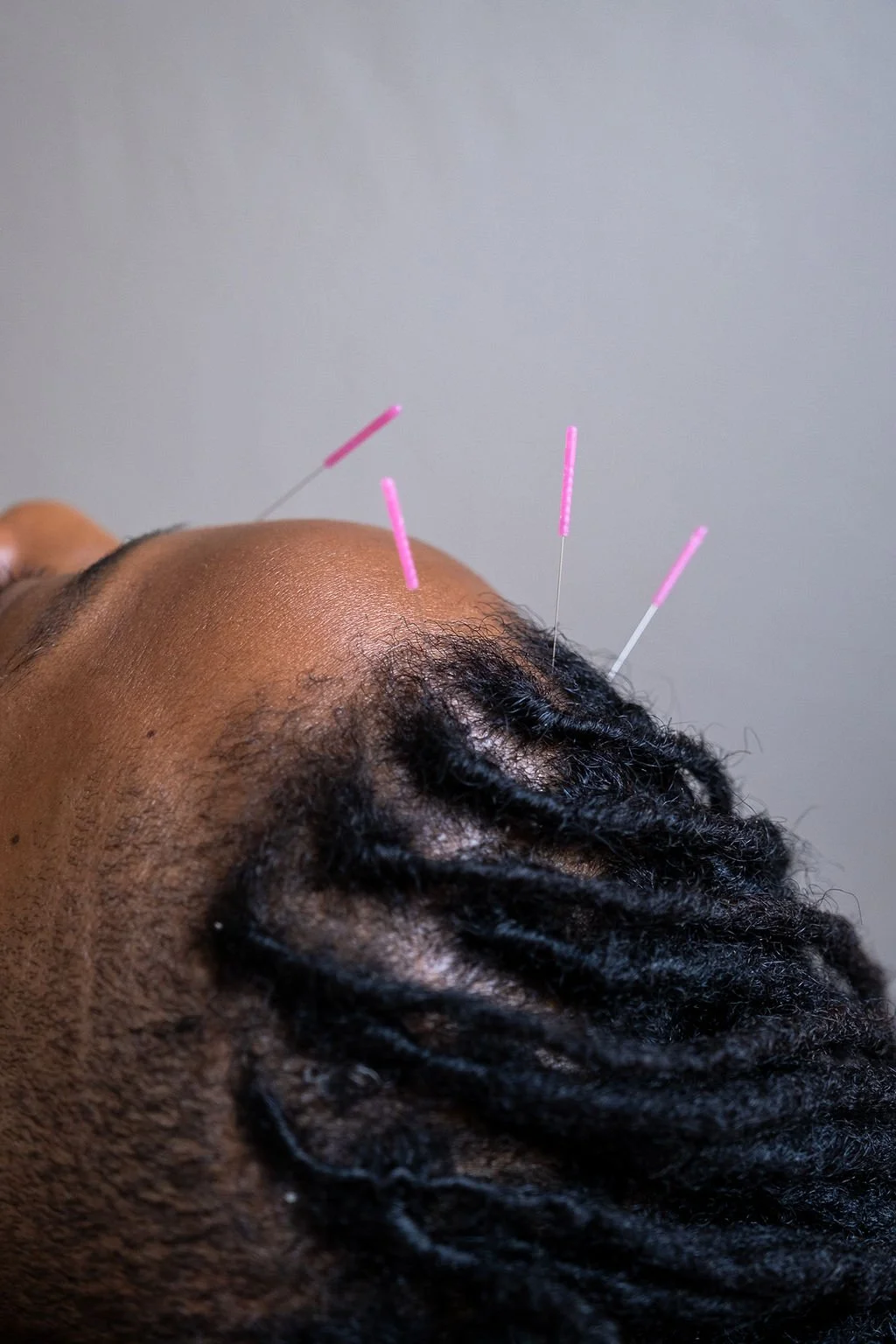
This is when you start to notice your PMS becomes longer and more intense. You might feel extreme irritability right after ovulating that does not relieve until your period comes. You might feel extreme depression or mood swings 7-14 days before your period. Sometimes your period comes later than usual. Sometimes sleep and your resiliency to stress becomes more difficult to manage. You might begin to notice that it takes longer to recover from a workout or injury.
MID STAGE: period changes
This is when you notice actual changes to your bleeding - its either heavier or lighter. You might get your period more often or earlier. Your period can last more days or less days. Sometimes you begin to have more or different symptoms before and during your period like more cramps, more aches and pains, back pain and more headaches. Your digestion is more affected by your period or you experience stronger fatigue before and during your period. You might notice changes in how you respond to temperature or temperature changes.
LATE STAGE:
During this time you will notice longer cycles or months without periods and sometimes heavier periods. Here is when you begin to experience hot flashes, heat intolerance and more difficulty with sleep. You might experience more pain and find it harder to recover from regular work outs, physical exertion and injuries. Sleep becomes extremely challenging and periods are very erratic and irregular. Remember you are not fully in menopause until you’ve not had a period at all for 12 months.
You will likely see an overlap of symptoms or late stage symptoms mixed with early or mid stage symptoms. There is no cookie cutter presentation of perimenopause, but noticing the earlier signs can be helpful.
How Can Acupuncture Help?
Acupuncture can help with the many symptoms and imbalances that come up during the various stages you might experience. During this transition, the fluctuation of hormones is the culprit for the various unwanted symptoms that come up. We know acupuncture can help because it is has been shown in research to influence the neuroendocrine system by stimulating the release of hormones, neurotransmitters, and other signaling molecules in the body (Zhou et. al 2015). Which is why acupuncture is known to help with pain, fertility, menstrual and even mental health concerns. This makes a safe and optimal treatment for perimenopause. Starting acupuncture as early as you can is always best.
Acupuncture is known to help with various digestive issues such as constipation, loose stools, acid reflux. (Zhu et. al 2017). Regular acupuncture visits also been shown to lower blood glucose levels (A1C) (Muharam et. al 2022) and cholesterol levels (Li et. al 2012) for those who are struggling with metabolism issues that are showing up on blood tests.
Prioritizing sleep is hugely important for making your perimenopause transition easier. Unfortunately the changes in your hormones associated with perimenopause can often cause disruption in your sleep. Acupuncture is known to help with insomnia –perimenopause related or not, as well as sleep issues related to stress or anxiety due to its ability to help regulate the nervous system.
Another common reason I see people during perimenopause is because injuries such as plantar fasciitis and frozen shoulder become more common. The changes in the hormones also affect your fascia, muscles and ligaments. Acupuncture is one of the best therapies for pain conditions especially these type of injuries.
Research also shows that regular acupuncture visits can significantly improve hot flashes (Kim et. al 2010).
Lifestyle Considerations
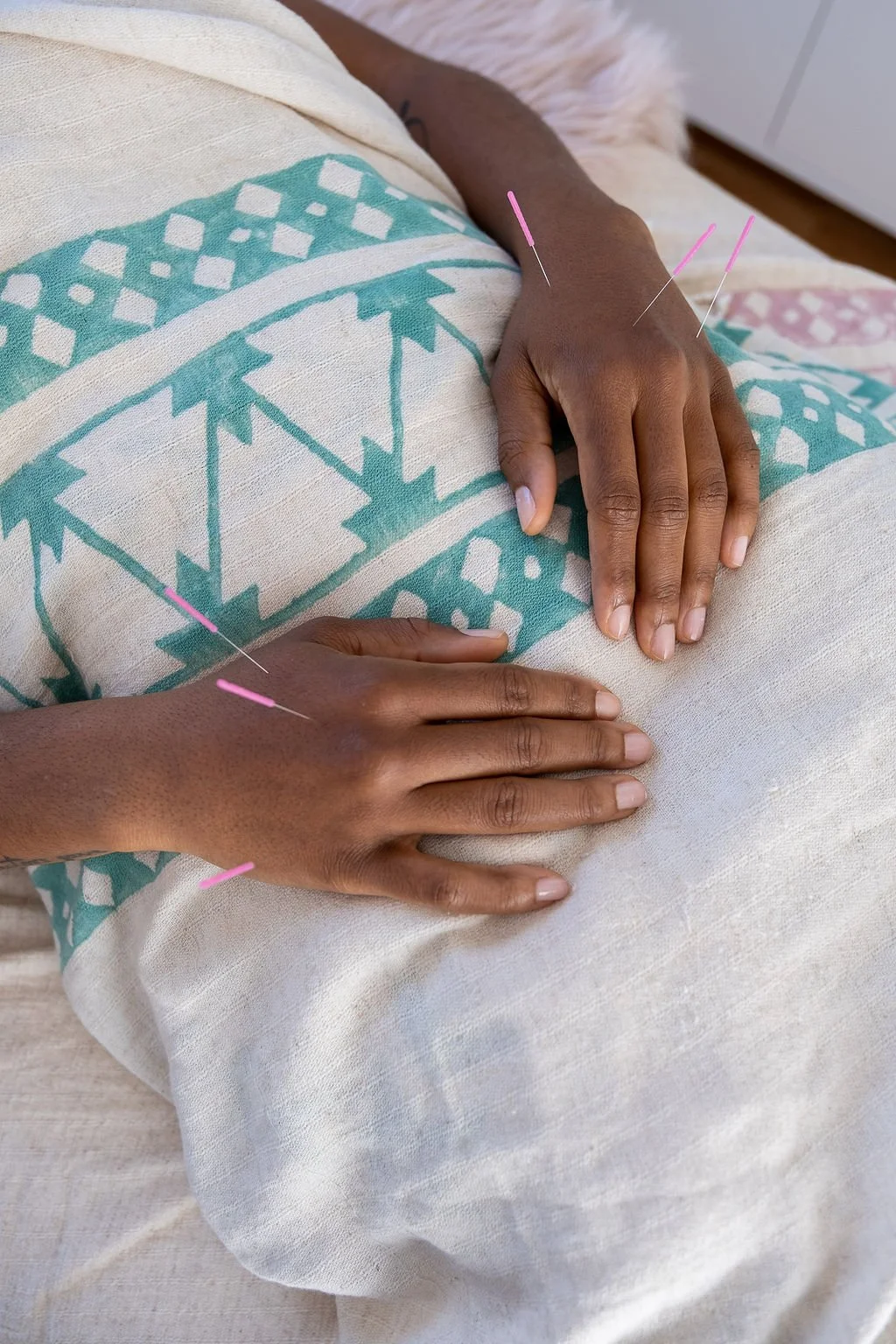
During the early stages of perimenopause you might not notice changes to your period but its important to mark the change in your metabolism and your digestion. If you take the time to adjust your exercise and dietary habits, you can make it easier on your body. Avoid foods that cause digestive disruption. If your body does not respond well to certain foods or spices —it is a sign to simply avoid them!
Exercise is very important during perimenopause because your metabolism is slowing down. It is important to help promote circulation and better metabolism by exercising regularly. Because of the hormonal shifts, it becomes harder to maintain muscle strength and bone density — this is why weight bearing exercises and strength training becomes so important. It is also important to also consider the types of exercise you’re doing because faster paced styles of working out that were appropriate in your 20’s and 30’s are typically not right for you when you’re 40+. Instead of cross fit or boot camp look more towards pilates and strength training with an experienced trainer who is knowledgeable about exercise for aging bodies.
In Chinese Medicine you always want to plan a head and adjust your lifestyle accordingly. While you may not be able to prevent or stop some of the shifts in your body that come with perimenopause, you might be able to reduce their severity by making changes. Please note that there are many studies that show acupuncture can help with multiple conditions related to perimenopause and even menopause, and the participants in most research studies are receiving acupuncture on, at the very least, a weekly basis if not more often. You should expect to see your acupuncturist weekly!
Written by Dr. Emily Siy, DACM, L.Ac. on 6/11/26 posted on 6/29/26
Use the code ‘BLOG’ for $25 off on an initial acupuncture visit (there are absolutely no refunds or returns on discounted visits)
You might also be interested in reading: Hot Flashes and Acupuncture, 5 Chinese Herbs that Improve Sleep, 5 Benefits of Astragalus
Sources
Kim, KH., Kang, KW., Kim, D., Kim, HJ., Yoon, HM., Lee, JM., Jeong, JC., Lee, MS., Jung, HJ., Choi, S-M (2010) Effects of Acupuncture on Hot Flashes in perimenopausal and menopausal women - a multicenter randomized control trial. Menopause 17(2):p 269-280, March
Li, L., Tan, GH. & Zhang, YZ. (2012)Modulated expression of genes associated with NO signal transduction contributes to the cholesterol-lowering effect of electro-acupuncture. Biotechnology Letters 34, 1175–1182
Muharam, R., Srilestari, A., Mihardja, H., Juvanni Callestya, L., Kemal Harzif, A. (2022) Combination of electroacupuncture and pharmacological treatment improves insulin resistance in women with polycystic ovary syndrome: Double-blind randomized clinical trial. Int J Reprod Biomed. May 23;20(4):289-298.
Zhou, W., & Benharash, P. (2015). Neuroendocrine regulation of acupuncture. In Y. Xia, G. H. Ding, & G.-C. Wu (Eds.), Acupuncture therapy for neurological diseases: A neurobiological view (pp. 91–108)
Zhu, J., Guo, Y., Liu, S., Su, X., Li, Y., Yang, Y., Hou, L., Wang, G., Zhang, J., Chen, J. D., Wang, Q., Wei, R., & Wei, W. (2017). Acupuncture for the treatment of gastro-oesophageal reflux disease: A systematic review and meta-analysis. Acupuncture in Medicine, 35(5), 316–323.